
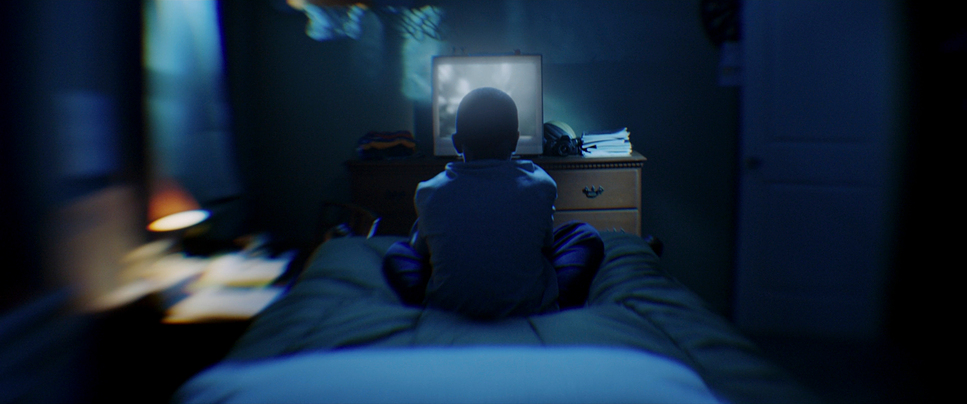
Horror transcends mere jump scares and shadows; it profoundly reflects our cultural anxieties, systemic injustices, and the uncertainties of our future. By exploring themes such as zombies as representations of consumerism and haunted houses symbolizing generational trauma, horror goes beyond entertainment, prompting us to critically examine and engage with the deeper issues at play.
Act I: Fear as Cultural Barometer
1950s Sci-Fi Monsters → Cold War Paranoia
The 1950s saw a surge in science fiction films that often mirrored the anxieties of the Cold War, particularly fears of nuclear annihilation and the threat of communism. Films like Invasion of the Body Snatchers (1956) are frequently interpreted as allegories for the loss of individuality and the fear of conformity, which were prevalent during the McCarthy era. The film’s portrayal of “pod people” reflects concerns about communism’s ability to strip away personal autonomy, making it a direct commentary on the societal fears of the time.
- Source: “Pods, Blobs and Flies: The Legacy of 1950s American Sci-fi Horror” discusses how these films encapsulated the psychological transitions in post-WWII America, emphasizing the fear of the unknown and the outsider, which became more pronounced during the Cold War.
1970s Slashers → Gender Politics and Suburban Unease
The emergence of slasher films in the 1970s, symbolized by classics like Halloween (1978), sheds light on the changing gender dynamics and societal anxieties of the time. These films often reflect a response to the significant shifts brought about by the sexual liberation and feminist movements, offering insight into the complexities of those social changes. The “Final Girl” trope, a recurring theme in which a female character survives by adhering to conventional gender roles, highlights the nuanced tensions between evolving gender norms and prevailing societal expectations.
- Source: An article from the University of Nebraska discusses how slasher films are often viewed as a response to the loosening sexual mores and the feminist movements of the 1960s and 1970s, highlighting the complex interplay of gender and violence in these narratives.
Contemporary Horror → Racial Injustice, Climate Collapse, and Surveillance Culture
Contemporary horror films like Get Out (2017) and The Last of Us (2023) address pressing social issues such as racial injustice and climate change. Get Out critiques systemic racism and the commodification of Black bodies, while The Last of Us explores themes of survival in a world ravaged by climate collapse and societal breakdown. Additionally, the rise of surveillance culture is reflected in various horror narratives that critique the invasive nature of technology in our lives.
- Source: Discussions on environmental injustice highlight how marginalized communities disproportionately suffer from climate change and pollution, linking these themes to contemporary horror narratives that reflect societal fears about racial and environmental issues.
Horror thrives because it externalizes what society tries to suppress.
Act II: Horror as Resistance
For marginalized communities, horror becomes a tool of reclamation. Black horror, queer horror, and Indigenous horror reframe fear—not as spectacle, but as survival. These stories don’t just scare; they subvert, reclaiming authorship and exposing the real monsters: systemic oppression, erasure, and exploitation.
Act III: Fierce Futures
Horror also imagines futures. Dystopian and speculative horror force us to confront what happens if inequities go unchecked. They warn us, but they also empower us to act differently. Horror is not just a mirror—it’s a map.
Final Act
Horror is cultural critique in disguise. It asks: what do we fear, and why? And more importantly: what will we do with that fear?
At Liberated Works Media, we believe storytelling—whether in campaigns, culture, or cinema—isn’t just about reflecting the world. It’s about reshaping it. If you’re ready to reshape the narrative, let’s talk – https://bit.ly/3UGPoYA.
📩 Subscribe to The Activists’ Cut today for unfiltered insights at the intersection of culture, equity, and impact. Don’t just watch the story—direct it.